
Table of Contents
- Why Busy Professionals Need a Curated Beauty Tool Kit
- Best At-Home Skincare Devices Worth Owning in 2026
- Essential Skincare Tools for Busy Schedules
- How to Simplify Your Morning Routine with Beauty Tools
- How to Choose the Right Beauty Tools for Your Skin Type
- Sanitization, Safety Protocols, and Contraindications for Beauty Tools
- Long-Term ROI: Are Professional Beauty Tools Worth the Investment?
- Frequently Asked Questions
Last Updated: September 14, 2026
Why Busy Professionals Need a Curated Beauty Tool Kit
A curated beauty tool kit is a small set of multi-purpose devices and skincare essentials chosen to cover cleansing, treatment, and finishing in the fewest possible steps. For professionals working 50-hour weeks, that consolidation matters more than owning every gadget on the market.
The problem is rarely a lack of products. It's decision fatigue at 6:45 a.m. A drawer of twelve half-used items produces worse results than four tools you actually understand. This guide from Velora walks through the beauty tools worth owning, what each one does, and how to sanitize and store them so they last.
Beauty tools split into three working categories: cleansing and exfoliation, treatment and stimulation, and finishing and grooming. Knowing which category a device belongs to tells you where it fits in your routine before you buy it.
Best At-Home Skincare Devices Worth Owning in 2026
The best at-home skincare devices are the ones that replace a recurring appointment or a step you'd otherwise skip. Light-based treatment and high-frequency therapy are popular categories.
Both are non-invasive and can fit into an evening routine. Here's what each one actually does.
High-Frequency Therapy Set
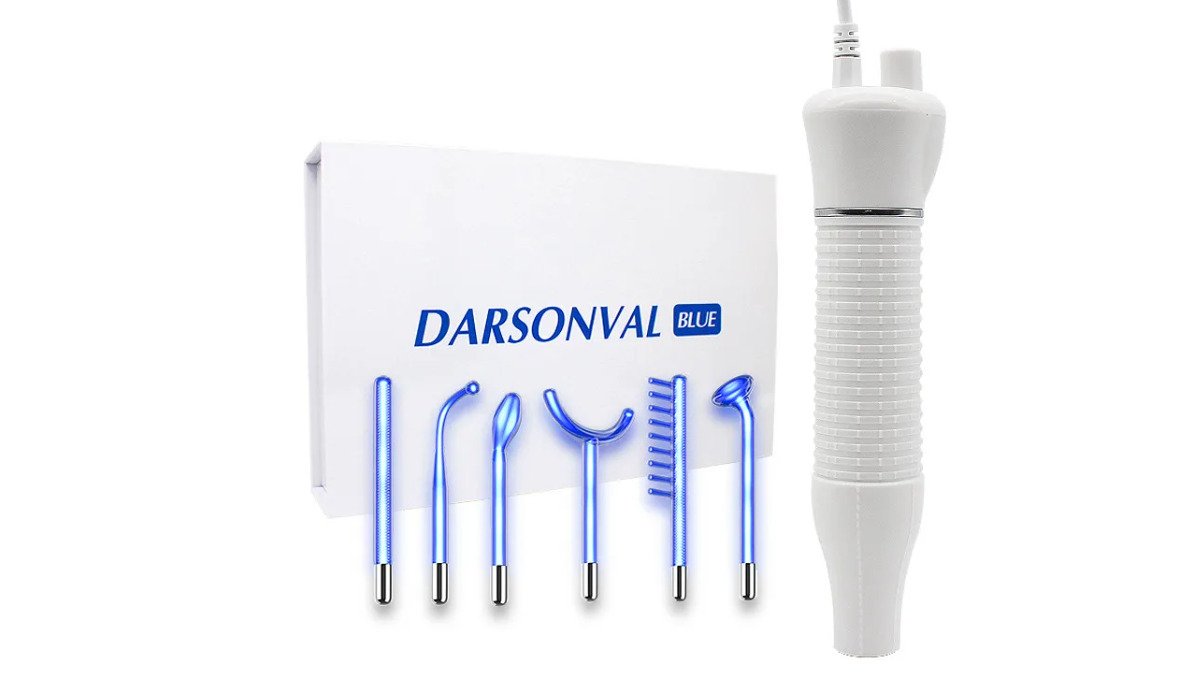
High-frequency therapy uses a mild electrical current delivered through a glass electrode to target surface bacteria and calm active breakouts. The Velora High-Frequency Therapy Set bundles six pieces including a blue light treatment attachment, so you can treat different zones without buying separate wands.

Where it earns its place: spot-treating a breakout the night before a presentation. Where it doesn't: replacing a dermatologist for cystic acne. At $59.99 it's the priciest item in this guide.
LED Acne Therapy Device
LED light therapy delivers red and blue wavelengths to the skin's surface. Blue light targets acne-causing bacteria; red light supports the appearance of calmer, more even-toned skin. The Velora LED Acne Therapy Device combines both in a compact handheld unit at $29.99, which makes it the cheapest entry point into light-based skincare.
Essential Skincare Tools for Busy Schedules
Essential skincare tools for busy schedules are the ones that survive a 6 a.m. start and a 10 p.m. finish. That usually means three things: something that cleans thoroughly, something that hydrates without a twenty-minute ritual, and something that removes hair or texture without an appointment.
The Velora Bio-Collagen Face Masks ($39.99) fit a five-minute window and need no rinsing. Disposable Face Cloths ($12.99) remove makeup and dry the face without laundering a towel every other day, which matters if you're traveling or short on laundry time. For brow and lip-line upkeep between salon visits, the Facial Hair Removal Spray ($14.99) and Waterproof Lip Liner ($12.99) handle the two details people notice first in a video call.
| Tool | Category | Routine Step | Velora Price |
|---|---|---|---|
| High-Frequency Therapy Set | Treatment | Spot treatment | $59.99 |
| LED Acne Therapy Device | Treatment | Light therapy | $29.99 |
| Bio-Collagen Face Masks | Hydration | Weekly mask | $39.99 |
| Disposable Face Cloths | Cleansing | Makeup removal | $12.99 |
| Facial Hair Removal Spray | Grooming | Facial hair | $14.99 |
| Waterproof Lip Liner | Finishing | Lip definition | $12.99 |
How to Simplify Your Morning Routine with Beauty Tools
Simplifying your morning routine comes down to cutting steps, not adding products. A four-step sequence you complete daily beats a seven-step sequence you abandon by Wednesday. The goal is a routine that fits inside the ten to fifteen minutes most professionals actually have between the alarm and the door.

Here is a workable order for a professional schedule, with the reasoning behind each step:
- Cleanse (60-90 seconds). A disposable cloth with lukewarm water removes overnight sebum and last night's product residue without stripping the barrier. Hot water and foaming cleansers are the two most common causes of morning tightness; lukewarm water and a cloth do the same job with less disruption.
- Treat, if you are treating (2-5 minutes). This is the only step where a device belongs in the morning. LED and high-frequency both work on clean, dry skin, and both need a few minutes to do anything. If you are short on time, this is the step to move to evening rather than rush.
- Moisturize and protect (30 seconds). A moisturizer with sun protection collapses two steps into one. The Velora Korean CC Cream with SPF 25 ($17.99) does this by combining light coverage with sun protection, which is where most people reclaim the most time.
- Finish (30 seconds). Define lips with liner if you are on camera. Waterproof formulas survive coffee and a full morning of meetings better than cream formulas, which is why the Waterproof Lip Liner ($12.99) earns its place in a work bag.
- Spot-treat only if needed (30 seconds). An active breakout gets a high-frequency pass the night before, not the morning of. Morning spot treatment under makeup tends to look worse by noon.
What to move to evening. Anything that requires clean skin and a recovery window belongs at night: LED sessions longer than five minutes, high-frequency treatment, masks, and any exfoliation. Morning is for protection and coverage; evening is for treatment and repair. Trying to do both in the morning is the single most common reason people quit a device routine by week three.
The two-minute version. If you have two minutes, not fifteen, the sequence collapses to cleanse, moisturize with SPF, and go. Skipping treatment for a day costs nothing. Skipping sun protection costs you the results of every treatment you did the night before.
How to Choose the Right Beauty Tools for Your Skin Type
Choosing the right beauty tools starts with your skin's current behavior, not its type on a chart. Two people can both be "oily" and need opposite devices: one has active inflammatory breakouts, the other has congested pores but no inflammation. The tool that helps the first can irritate the second.
Start by sorting your skin into one of four working states, then match the tool category to it.
Congested, non-inflamed skin (blackheads, dull texture). Blue-light LED and high-frequency therapy both target surface bacteria and sebum. High-frequency works faster on a single spot; LED works better across a full zone. Either is reasonable. Avoid aggressive physical exfoliation on top of these, since over-scrubbing plus light therapy is a common route to a compromised barrier.
Active inflammatory acne (red, tender, cystic). This is the state where at-home devices do the least and carry the most risk. High-frequency can calm a surface pustule, but cystic lesions sit below the reach of a glass electrode. If you are on a prescription retinoid or isotretinoin, skip electrical and light devices until your dermatologist clears them, because the barrier is already compromised (the American Academy of Dermatology).
Dry or reactive skin (flushing, stinging, tightness). Favor hydration-focused tools and skip anything that emits current or heat. LED red light is generally the gentlest light-based option, but even red light can feel warm on a reactive barrier. Patch-test on the jawline for three nights before treating the full face.
Mature skin (fine lines, loss of firmness, puffiness). This is where microcurrent and LED red light earn their place. Microcurrent uses low-level electrical current to stimulate facial muscles; the effect is temporary and cumulative, meaning it looks best with consistent use rather than a single session. Puffiness responds more to manual lymphatic drainage (gua sha, cold rollers) than to any electronic device.
Ask three questions before buying:
- What problem am I solving this month? Breakouts, texture, or dryness. Pick one. A device bought for three problems solves none of them.
- How many minutes will I realistically give it? Under five, or ten to fifteen. Microcurrent routines typically run ten minutes per session; LED runs five to ten. If you will not commit to that window three times a week, the device will not deliver.
- Does it replace something I already pay for? If yes, the math is easier. If it adds a step to a routine you already skip, it will sit.
A common mistake is buying a device for the skin you had two years ago. Skin changes with season, stress, hormones, and age, and a tool that suited you at 28 may be the wrong one at 35. Reassess every six months rather than buying once and assuming the fit holds.
Sanitization, Safety Protocols, and Contraindications for Beauty Tools
Sanitization is the step almost every buying guide skips, and it's the one that determines whether a device helps or hurts. Any tool that touches your face needs cleaning after every use, not weekly.
Basic protocol for at-home devices:
- Wipe metal and glass contact points with isopropyl alcohol after each session.
- Never share high-frequency wands, LED devices, or lip products between people.
- Replace disposable cloths after a single use; launder reusable cloths after each wash.
- Store devices dry, not in a damp bathroom drawer.
Contraindications matter as much as cleaning. People who are pregnant, have a pacemaker or other implanted electronic device, have epilepsy, or are undergoing active acne treatment with a prescription retinoid should talk to a physician before using electrical or light-based tools. Anyone with active cold sores, open lesions, or a recent chemical peel should skip treatment devices until the skin has healed.
The FDA guidance on at-home light therapy devices is worth reading before you buy any device that emits light or current, since clearance categories differ by intended use.
Long-Term ROI: Are Professional Beauty Tools Worth the Investment?
Professional beauty tools pay off when they replace a recurring cost, not when they sit in a drawer. A single facial or brow appointment typically runs well above the price of the at-home equivalent, so the break-even point usually arrives within a few months of consistent use.
The honest math: a $29.99 LED device used three times a week for a year costs a fraction of a monthly treatment package. A $59.99 high-frequency set used weekly for spot treatment does the same. The catch is consistency. Tools bought and used twice don't break even at any price.
Sustainability matters here too. Reusable devices and washable cloths generate less waste than single-use sheet masks and disposable wipes bought monthly, which is a real consideration if you're trying to cut down on packaging.
| Investment | Velora Price | Replaces | Break-Even Signal |
|---|---|---|---|
| LED Acne Therapy Device | $29.99 | Monthly facial add-on | Used 3x weekly |
| High-Frequency Therapy Set | $59.99 | Spot-treatment visits | Used weekly |
| Bio-Collagen Face Masks | $39.99 | Single-use sheet masks | Used 2x monthly |
| Disposable Face Cloths | $12.99 | Laundered face towels | Used daily |
The FTC guidance on advertising claims for health and beauty products is a useful reference for understanding which device claims are substantiated and which are marketing language.

Frequently Asked Questions
What beauty tools are actually worth the investment?
Focus on tools you will use at least three times a week. LED light therapy devices, like the LED Acne Therapy Device at $29.99, earn their place because they support clearer-looking skin with minimal effort. High-frequency sets, such as the High-Frequency Therapy Set at $59.99, add targeted facial care. Skip anything that duplicates a step you already own. The best beauty tools are the ones that fit your existing routine, not the ones that require a new one.
How do professional-grade beauty tools differ from standard ones?
Professional-grade tools may offer different features compared to standard ones. For at-home use, consistency is key. A $29.99 LED device used nightly can be effective. Look for tools with simple controls, replaceable parts, and clear safety notes rather than paying extra for features you will not use.
What are the best beauty tools for a quick morning routine?
Build around three or four items. A Korean CC Cream with SPF 25 ($17.99) replaces both foundation and sunscreen in one step. Disposable Face Cloths ($12.99) cut cleansing time and reduce towel laundry. A Waterproof Lip Liner ($12.99) defines lips in seconds and holds through meetings. Add a Lip Plumper Oil ($15.99) for hydration. Together these tools cover cleansing, coverage, and lip care in under five minutes, which is what essential skincare tools for busy schedules should deliver.
Are at-home facial devices effective for busy professionals?
They work when you use them regularly. At-home devices deliver lower intensity than spa treatments, so results depend on consistency rather than one session. A five-minute LED session three to four times a week fits most schedules. Pair device use with basics like the Bio-Collagen Face Masks ($39.99) for hydration. The main risk is buying a device, using it twice, and abandoning it. Choose one tool, set a reminder, and track how your skin responds over eight weeks.
How do I build a professional beauty tool kit on a budget?
Start with multi-purpose items. A Korean CC Cream with SPF 25 ($17.99) handles coverage and sun protection. Disposable Face Cloths ($12.99) cover cleansing and makeup removal. A Turmeric Kojic Cloth ($19.99) adds gentle exfoliation and brightening. That is under $55 for three core tools. Add one device, such as the LED Acne Therapy Device ($29.99), once you know you will use it. Total spend stays near $85, and every item earns its place in a daily routine.
If your routine has grown into a drawer of half-used gadgets, the fix isn't more products. It's a smaller set you'll actually use. Velora curates exactly that kind of kit: affordable, trending beauty tools like the LED Acne Therapy Device, the High-Frequency Therapy Set, and the Korean CC Cream with SPF 25, all chosen to cut steps rather than add them. Shop all now and build the routine you'll keep.