
Table of Contents
- Quick Comparison: Eco Friendly Alternatives at a Glance
- 1. Airtight Storage Bins: Best for Reducing Food Waste
- 2. Glass Storage Jars: Best for a Plastic-Free Pantry
- 3. Filtered Showerhead: Best for Water and Energy Savings
- 4. UV Toothbrush Sanitizer: Best for a Low-Waste Bathroom
- Sustainable Kitchen Essentials That Cut Household Waste
- How to Start a Zero Waste Home Without Overhauling Everything
- Eco-Friendly Cleaning Supplies: What Works and What to Skip
- Frequently Asked Questions
Last Updated: September 12, 2026
Quick Comparison: Eco Friendly Alternatives at a Glance
The best eco friendly alternatives for home are the ones you will actually keep using. This guide from Velora covers four swaps that replace disposable items you already buy: airtight storage bins, glass storage jars, a filtered showerhead, and a UV toothbrush sanitizer.

Here is the short version before we get into the details:
| Product | Price | Replaces | Best For |
|---|---|---|---|
| Airtight Storage Bins | $49.99 | Plastic wrap, snack bags | Reducing food waste |
| Glass Storage Jars | $19.99 | Single-use plastic containers | A plastic-free pantry |
| Filtered Showerhead | $68.70 | Nothing, but cuts water waste | Water and energy savings |
| UV Toothbrush Sanitizer | $29.99 | Disposable brush covers | A low-waste bathroom |
A common mistake is buying a whole zero-waste kit on day one and abandoning half of it by week three. Start with one swap, live with it for a month, then add the next.
1. Airtight Storage Bins: Best for Reducing Food Waste
Airtight storage bins are sealed containers that keep dry goods and leftovers fresh by blocking out air and moisture. The Airtight Storage Bins from Velora cost $49.99 and have a clear body and sealing lid, so you can see what is inside without opening anything.
That visibility matters: hidden food gets forgotten and thrown out, so stackable, see-through bins keep the pantry honest.
Pros:
- Clear design means no guessing what is inside
- Airtight lid protects contents from moisture and dust
- Stackable, so they save shelf space instead of eating it
- Reusable for years, unlike wrap or bags
Cons:
- A $49.99 upfront cost is more than a box of plastic wrap
- Not designed for liquids, so soups and sauces still need another container
2. Glass Storage Jars: Best for a Plastic-Free Pantry
Glass storage jars are reusable containers made from durable glass, and they are the simplest way to cut single-use plastic out of your kitchen. The Glass Storage Jars from Velora start at $19.99, and the clear design makes stored items easy to identify.

Glass does not hold onto odors or stains the way plastic does, so it works for spices, leftovers, and bathroom odds and ends alike.
Pros:
- Does not absorb smells or stain over time
- Reusable indefinitely with basic washing
- Compact and stackable for tight shelves
- Looks clean enough to leave on the counter
Cons:
- Heavier than plastic, so not ideal for travel
- Can chip if knocked against a hard edge
3. Filtered Showerhead: Best for Water and Energy Savings
A filtered showerhead is a shower fixture with a built-in filter that cleans water as it passes through. The Filtered Showerhead from Velora costs $68.70 and installs with basic tools.

Where this fits the sustainability conversation is energy. Shorter, better showers mean less water heated, and heating water is one of the larger energy draws in a home. The U.S. Department of Energy guidance on water heating notes that water heating is a significant share of household energy use, which is why cutting shower time and flow matters.
Pros:
- Filters water as part of your existing routine
- Simple installation on a standard shower arm
- Comfortable flow without a complicated setup
- Practical upgrade that pays off in daily use
Cons:
- Filters need replacing over time, which is a recurring cost
- Not a fix for a plumbing problem, only for water quality at the fixture
4. UV Toothbrush Sanitizer: Best for a Low-Waste Bathroom
A UV toothbrush sanitizer is a compact case that uses UV light to sanitize a toothbrush between uses while storing it hygienically. The UV Toothbrush Sanitizer from Velora costs $29.99 and travels easily.
Most bathroom waste is invisible: disposable brush covers, travel cases, plastic wrap around a toothbrush in a toiletry bag. A single reusable case replaces all of it and keeps your brush off the counter.
Pros:
- Replaces disposable covers and travel cases
- Compact and lightweight for travel
- Easy to work into an existing routine
- Space-saving on a crowded counter
Cons:
- Does not replace regular toothbrush replacement
- Needs a power source, so it is not fully off-grid
Sustainable Kitchen Essentials That Cut Household Waste
Sustainable kitchen essentials are the reusable tools you reach for daily, and the kitchen is where most household waste is generated. The U.S. Environmental Protection Agency's guidance on reducing wasted food points out that food is the single largest category of material placed in municipal landfills, which makes kitchen swaps the highest-impact place to start. But the swap only works if the container actually gets used, so the goal is not a Pinterest-perfect pantry, it is a system you can maintain on a Tuesday night.
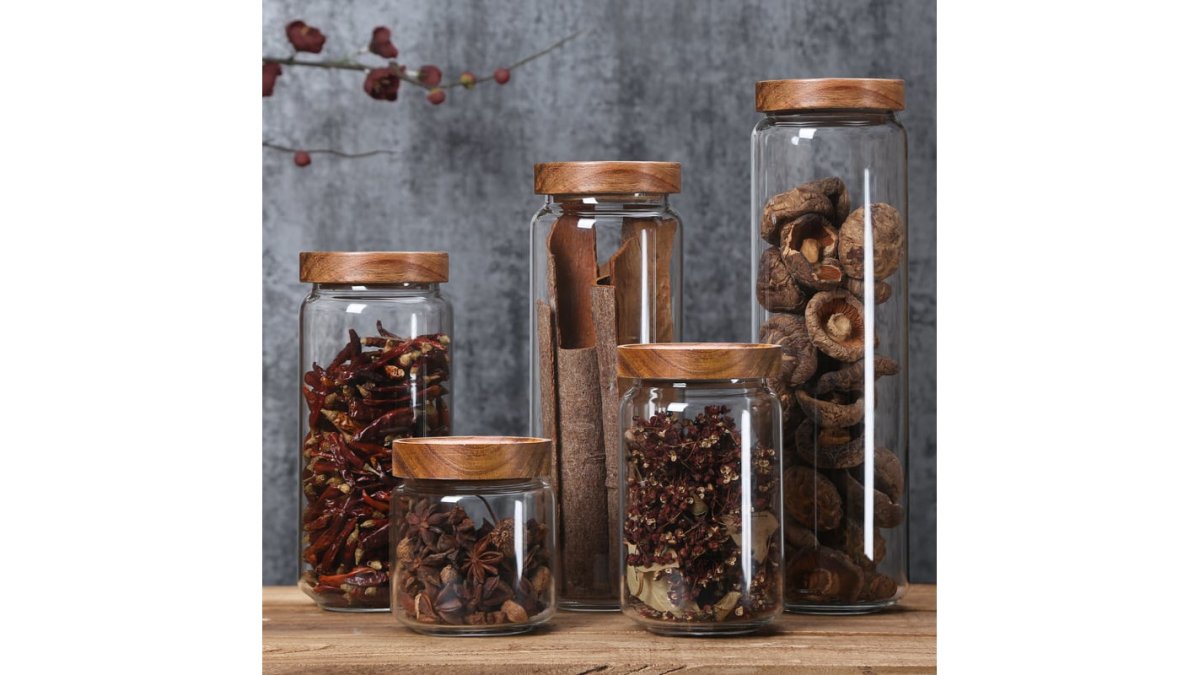
Three changes do most of the work:
- Switch storage from disposable to sealed. Airtight bins and glass jars replace wrap, bags, and flimsy containers. Sealed containers block the oxygen and moisture that speed spoilage, so leftovers and dry goods last longer, and clear walls mean visible food gets eaten instead of tossed.
- Buy dry goods in bulk. Larger quantities in reusable containers cut packaging per serving. A 5-pound bag of rice in a sealed bin replaces several smaller bags over a year. The trade-off is upfront cost and shelf space, bulk only saves money if you have somewhere to store it.
- Cook from what you can see. Clear containers mean ingredients get used before they spoil. Plan two or three meals around whatever is closest to its end date, which turns 'use it up' into a default rather than a chore.
The cost math most guides skip. A box of plastic wrap runs a few dollars and lasts a couple of months; a set of airtight bins costs more upfront but replaces that recurring purchase for years. Track one month of disposable storage purchases before buying anything. If you spend $8 a month on wrap, bags, and foil, a $50 bin set pays for itself in roughly six months. If you spend $2 a month, a couple of glass jars may be the better first move.
End-of-life matters here too. Glass jars can be recycled indefinitely in most curbside programs and do not absorb odors or stains the way plastic does. Airtight bins with silicone gaskets are reusable for years, but the gasket wears out first, check whether replacements are sold separately, because a bin with a failed seal is just a box. Compostable containers still end up in a landfill if there is no compost collection, where they may not break down the way the label implies. Reusable beats compostable when you have no compost stream.
A note on material sensitivity. Households with chemical sensitivities often do better with glass and stainless steel than with plastic or silicone, because glass is inert and does not off-gas. Bamboo is often held together with adhesives, so check the label. Silicone is flexible and heat-resistant but can retain odors over time.
A common mistake is buying compostable versions of things you throw away daily. A compostable fork still ends up in a landfill if there is no compost collection. The kitchen is the right place to start, but start with reuse, not with a different kind of disposable.
How to Start a Zero Waste Home Without Overhauling Everything
Starting a zero waste home means replacing one disposable item at a time, not clearing out your cabinets on a Saturday. Households that stick with it swap only what they already use weekly.
Here is a starting sequence that works:
- Pick the disposable item you throw away most often
- Find a reusable version you will actually clean and keep
- Use it for two weeks before buying anything else
- Track what you stopped buying
- Add the next swap only when the first feels automatic
That last step is where most people fail. Buying four products at once creates four new habits to maintain, and habits do not scale that fast.
Eco-Friendly Cleaning Supplies: What Works and What to Skip
Eco-friendly cleaning supplies work when they replace a disposable product you use constantly, and they are a waste of money when they replace something you barely touch. The second test is whether the refill actually exists, a refillable bottle with no refill plan is just a bottle.
What works, and why:
- Refillable concentrates. One bottle, refilled, replaces a shelf of spray bottles. You buy a concentrate, mix it with water in a reusable bottle, and skip the plastic and shipping weight of pre-diluted cleaner. A single concentrate bottle can make several spray bottles' worth of cleaner, cutting both packaging and cost per use.
- Reusable cloths over paper towels. A stack of cloths handles spills for years. Microfiber traps particles rather than smearing them, so you use less cleaner per job.
- Microfiber for dust. It grabs more with less product, but sheds microplastics when washed, so wash it in a mesh bag and only when needed.
- Concentrated dish soap and castile soap. Both dilute well and replace multiple specialty cleaners. Castile soap can be diluted for floors, counters, and even some personal-care uses, reducing the number of bottles under the sink.
What to skip:
- Single-use cleaning wipes in "eco" packaging. The wipe is still disposable, and the packaging is usually plastic film that most curbside programs do not accept.
- Specialty gadgets for one narrow job you do twice a year. A steam mop you use twice is a worse buy than a mop and a bucket you already own.
- Anything you will not refill. A refillable bottle with no refill plan is just a bottle.
- "Eco" sprays with undisclosed ingredients. Fragrance blends are often the least transparent part of a label, and "natural" is not a regulated cleaning term.
The cost math. A refillable concentrate system typically costs more upfront than a single spray bottle but less per use over a year, because you are buying cleaner, not water and packaging. Track one month of cleaning-supply purchases before switching: if you buy three or four spray bottles a month, a concentrate system pays back quickly; if you buy one every few months, the packaging reduction is the main win.
End-of-life and disposal. Refillable bottles are reusable until the pump fails, and pumps are usually the first part to go, check whether replacements are sold separately. Microfiber cloths eventually shed and should go in the trash, not the recycling bin, because textile recycling is not widely available curbside. Concentrate bottles are usually recyclable plastic; rinse them before recycling.
Screening what goes under your sink. The U.S. Environmental Protection Agency's Safer Choice program lists cleaning products that meet its ingredient safety standard, which is a faster way to screen what goes under your sink than reading every label. The program evaluates ingredients against human health and environmental criteria, so the label is a shortcut, not a guarantee, it does not cover every product category, and it does not replace reading the label if you have a specific sensitivity.
A note on material sensitivity. Households with chemical sensitivities often do better with fragrance-free and dye-free cleaners, because fragrance is a common trigger and is not always fully disclosed. Vinegar and water works for many surfaces but can damage natural stone and some finishes, so test in a hidden spot first.
Frequently Asked Questions
What are the easiest eco friendly alternatives to start with at home?
Start with the swaps that replace something you throw away every week. Glass storage jars and airtight bins replace plastic wrap and single-use containers in the kitchen. A filtered showerhead cuts water use and reduces bottled product waste. These three changes cost less than $140 total and take under an hour to set up. Pick one room, make the swap, and add the next item once the habit sticks.
How do I start a zero waste home on a budget?
Focus on reusable items that pay for themselves. A $19.99 set of glass storage jars replaces months of plastic bags and wrap. Airtight bins keep food fresh longer, which cuts grocery waste. Skip expensive matching sets and buy one piece at a time. The goal is fewer things thrown out, not a perfectly styled pantry. Track what you toss for two weeks, then swap the top three items.
Are eco-friendly household products actually more effective?
It depends on the product. Airtight storage bins with sealed lids keep food fresher than open bags or loose wrap because they block moisture and air. Glass jars do not absorb odors or stain the way plastic does. A filtered showerhead can improve water feel and reduce buildup. Effectiveness comes down to design and materials, not a green label. Check the seal, the construction, and the warranty before buying.
How do I identify truly sustainable products versus greenwashing?
Look for specifics, not slogans. A product that lists its material (glass, stainless steel, silicone) and explains how to dispose of it is more trustworthy than one that just says 'eco-friendly.' Check whether the item is reusable, refillable, or compostable, and whether the brand publishes end-of-life instructions. If a claim cannot be verified with a material or a disposal method, treat it as marketing until proven otherwise.
What should I do with eco-friendly products when they wear out?
Disposal matters as much as the purchase. Glass jars can be recycled indefinitely or reused for storage in other rooms. Airtight bins made from durable plastic can often be recycled through local programs, but check your municipal guidelines first. Filtered showerheads usually have replaceable filter cartridges, so you keep the housing and swap only the cartridge. UV sanitizers need electronic waste recycling at the end of their life. Plan for the last step before you buy.