
Table of Contents
- Why Shoppers Look for EarthHero Alternatives
- Top EarthHero Alternatives for Sustainable Home Essentials
- Best Plastic-Free Home Products to Prioritize
- How to Shop Sustainably on a Budget
- Zero Waste Online Stores: What Sets Them Apart
- Verifying Supply Chain Transparency and Carbon Impact
- Comparison Table: EarthHero Alternatives Overview
- Frequently Asked Questions
Last Updated: September 1, 2026
Why Shoppers Look for EarthHero Alternatives
Finding the right marketplace for sustainable home essentials can feel overwhelming. While some shoppers gravitate toward established platforms, many discover that their needs, whether budget constraints, product variety, or specific eco-conscious values, aren't fully met by a single source. The shift toward conscious consumerism has created demand for alternatives that balance environmental responsibility with practicality and affordability.
At Velora, we understand that shoppers seeking EarthHero alternatives want more than just eco-labels. They're looking for marketplaces that offer transparent supply chain information, genuinely sustainable products, and prices that don't require a premium budget. The reality is that sustainable shopping doesn't have to mean sacrificing value or selection. Many consumers find that exploring multiple platforms helps them discover products that align with their specific priorities, whether that's zero-waste packaging, plastic-free materials, or simply better prices on items they already need.
The growth of conscious consumerism has pushed retailers to be more transparent about their sourcing practices. Shoppers now expect to understand where products come from, how they're made, and what impact they have on the environment. This shift has created space for new marketplaces and alternatives that cater to different values, budgets, and lifestyle preferences. Whether you're focused on building a minimalist home, reducing plastic waste, or finding affordable sustainable options, understanding your options matters.
Top EarthHero Alternatives for Sustainable Home Essentials
Velora: Curated Eco-Friendly Home Products
Velora stands out as a thoughtfully curated destination for sustainable home essentials that don't compromise on style or affordability. The platform specializes in discovering innovative products across home, beauty, technology, and lifestyle categories, saving you the effort of endless searching for items that actually deliver on their promises.
What makes Velora different is the curation process. Rather than listing every eco-friendly product available, Velora focuses on trending items that solve real problems in your daily life. The selection includes everything from sustainable kitchen storage to filtered showerheads, all chosen for their ability to simplify routines while reducing environmental impact. The Showerhead with Built-In Filter ($68.70) exemplifies this approach, it combines a soothing rain-like water flow with filtration technology, addressing both comfort and water quality in one product.

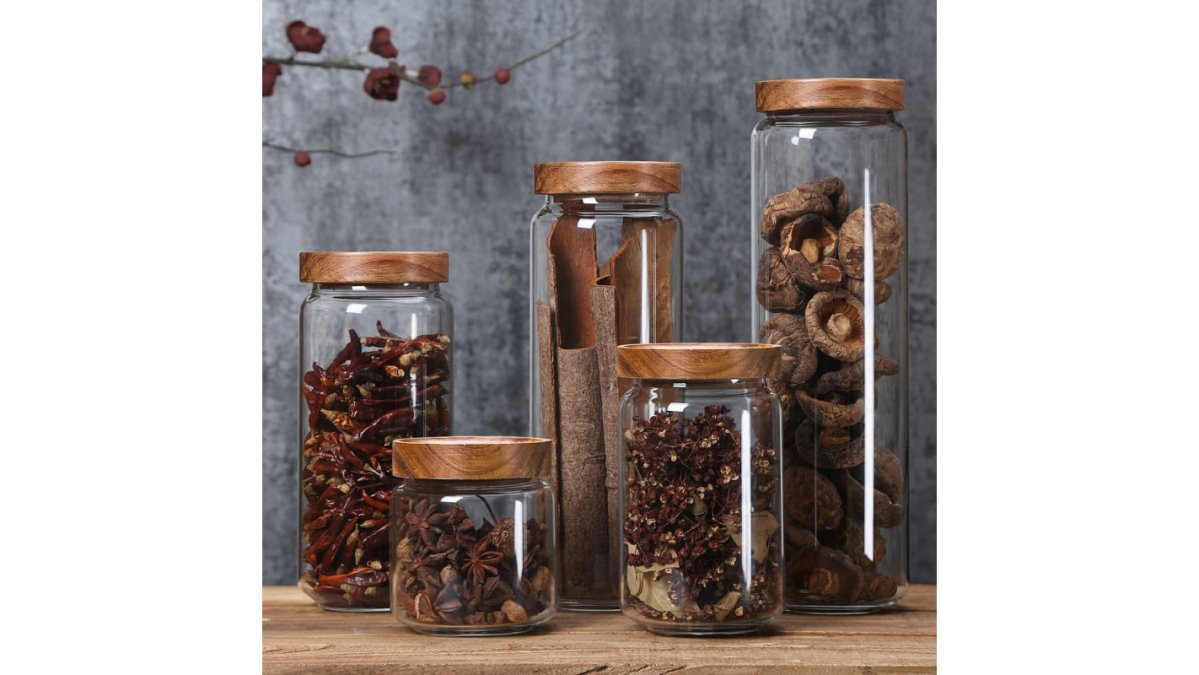
For those building a zero-waste kitchen, Velora offers practical storage solutions like Clear airtight storage bins ($49.99) designed to keep dried goods and snacks fresh longer while reducing packaging waste. These moisture-proof containers help minimize food spoilage, a direct way to reduce waste without requiring a complete lifestyle overhaul. The Glass Storage Bottles ($19.99) provide an affordable alternative to plastic containers, available in multiple sizes to fit different pantry needs.


Velora's pricing strategy reflects a commitment to making sustainable choices accessible. Rather than positioning eco-friendly products as luxury items, the platform emphasizes finding clever solutions at reasonable price points. This approach resonates with budget-conscious shoppers who want to make environmentally responsible choices without overspending.
Other Marketplaces Worth Exploring
Beyond Velora, several other platforms merit attention depending on your specific priorities. Some focus heavily on fair trade certifications, others emphasize zero-waste packaging, and still others specialize in specific product categories like plastic-free personal care or organic household items.
The marketplace landscape has expanded significantly as conscious consumerism grows. Each platform brings different strengths, some excel at supply chain transparency, others at price competitiveness, and some at product innovation. What matters is matching your priorities to the right platform. A shopper focused on fair trade certifications might prioritize different marketplaces than someone primarily concerned with reducing plastic packaging.
When evaluating alternatives, consider what drives your purchasing decisions. Are you most concerned about minimizing plastic waste? Looking for fair trade and ethical manufacturing? Seeking the lowest prices on sustainable items? Or do you want transparent information about a product's full lifecycle impact? Your answer shapes which marketplace serves you best.
Best Plastic-Free Home Products to Prioritize
Plastic-free living starts with replacing single-use and disposable items with durable, reusable alternatives. The most impactful swaps happen in spaces where you use products daily, the kitchen, bathroom, and storage areas.
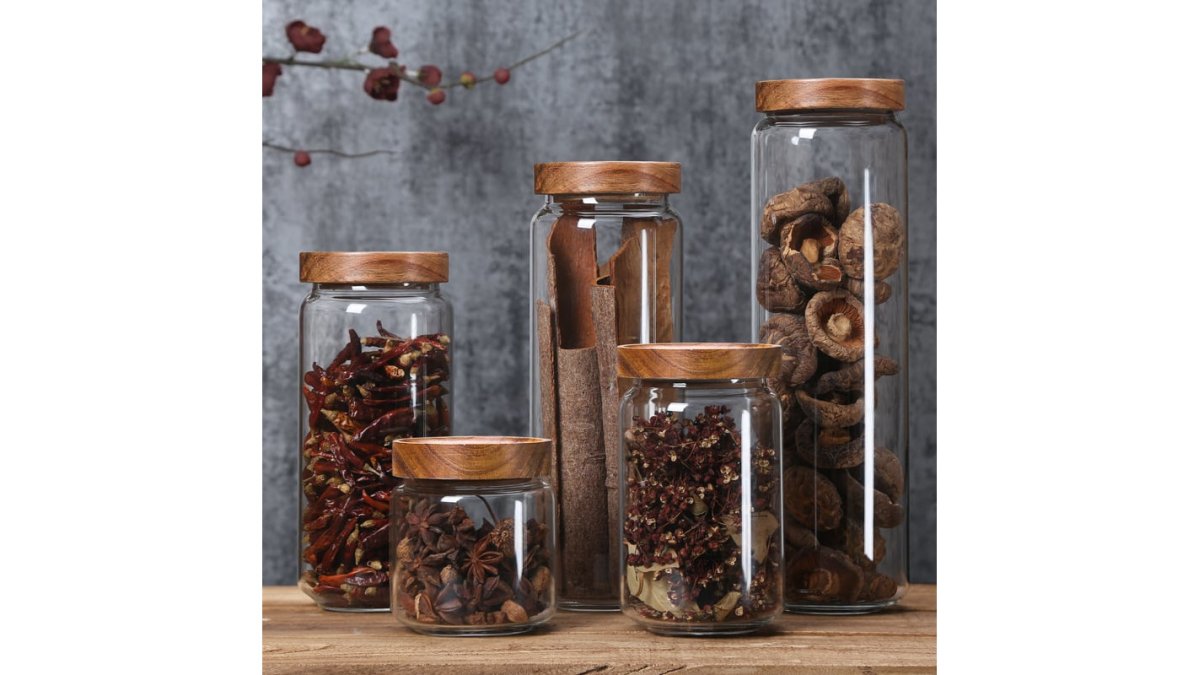
Kitchen storage represents one of the highest-impact areas for plastic reduction. Moving from plastic containers to glass or stainless steel alternatives eliminates a significant source of microplastics and reduces landfill contribution (peer-reviewed research). Glass storage bottles work well for oils, vinegars, and dry goods, while airtight containers keep pantry staples fresh without relying on plastic wrap or disposable bags. These aren't luxury items, they're practical replacements that often last decades.
Bathroom products offer another major opportunity. A filtered showerhead reduces both plastic waste from replacement filters and chlorine exposure in your water. Rather than purchasing bottled water filters or replacement shower filters in plastic packaging, a built-in filtered showerhead eliminates ongoing plastic consumption while improving water quality.
Storage solutions beyond the kitchen matter too. The Secret Storage Wall Shelf ($29.99) provides hidden organization without requiring plastic bins or disposable storage boxes. For households with children, the Toys Storage Organizer Bins for Legos ($29.99) offers a reusable alternative that doubles as a building surface, extending product life and reducing the need for replacement storage solutions.
The key to sustainable plastic-free shopping is choosing products built to last. Durable glass, stainless steel, and wood items cost more upfront but eliminate the cycle of replacing cheap plastic goods every few months. This aligns with both environmental goals and long-term budgeting.
How to Shop Sustainably on a Budget
Sustainable shopping and budget-conscious shopping don't have to conflict. The most effective approach combines strategic purchasing with smart timing and realistic expectations.
Start by identifying your non-negotiable categories, the items you purchase regularly and that have the biggest environmental impact. For most households, this includes food storage, water filtration, and basic household supplies. Focus your sustainable swaps on these high-impact areas rather than trying to make everything eco-friendly at once.
Price comparison across marketplaces reveals significant variations. A filtered showerhead might cost $68.70 at one retailer and considerably more elsewhere (consumerreports.org). Clear airtight storage bins range from $49.99 to much higher depending on brand and retailer. Shopping intentionally, comparing prices across platforms before purchasing, directly reduces your overall spending while supporting your sustainability goals.
Timing purchases strategically matters. Many sustainable marketplaces run seasonal promotions or bundle deals that lower per-item costs. Buying slightly ahead of need, when items are discounted, stretches your budget further without requiring sacrifice on quality or environmental values.
Consider the total cost of ownership, not just the purchase price. A $68.70 filtered showerhead that lasts five years costs less per year than repeatedly purchasing replacement shower filters in plastic packaging. Similarly, a $49.99 airtight storage container that prevents food spoilage for years saves money on wasted groceries. This perspective shifts sustainable shopping from an expense to an investment.
Zero Waste Online Stores: What Sets Them Apart
Zero-waste online stores distinguish themselves through specific commitments to packaging, product selection, and supply chain transparency. Understanding these differences helps you choose platforms aligned with your values.
True zero-waste stores minimize packaging waste by using compostable, recyclable, or reusable shipping materials. Some offer incentives for returning packaging, while others ship items in minimal cardboard with no plastic components. This goes beyond typical "eco-friendly" labeling, it represents a structural commitment to eliminating waste throughout the supply chain.
Product curation in zero-waste stores typically emphasizes items with minimal packaging, biodegradable materials, and long product lifespans. Rather than stocking every available option, these platforms carefully select items that meet strict environmental standards. This approach mirrors Velora's curation philosophy, where the focus is on discovering products that actually deliver value rather than simply offering maximum selection.
The supply chain transparency in dedicated zero-waste stores often surpasses mainstream retailers. Many provide detailed information about manufacturing locations, labor practices, and material sourcing. This allows conscious consumers to verify that products align with their environmental and ethical values, not just marketing claims.
Shipping practices differ significantly between zero-waste and conventional online stores. Some zero-waste retailers consolidate orders to reduce shipments, offer slower shipping options to lower carbon footprint, or partner with carbon-offset programs. These choices reflect a commitment to reducing the environmental impact of the entire purchase journey, not just the product itself.
Verifying Supply Chain Transparency and Carbon Impact
Making informed sustainable choices requires moving beyond marketing language to actual verification. Knowing how to assess supply chain transparency and understand carbon impact transforms your shopping from assumption-based to evidence-based.
Supply chain transparency verification starts with asking specific questions: Where is the product manufactured? What materials are sourced from where? What certifications verify environmental and labor claims? Legitimate sustainable marketplaces provide detailed answers, often with documentation or third-party verification. Vague claims like "eco-friendly" or "sustainable" without supporting detail suggest insufficient transparency.
Look for specific certifications from recognized organizations. Fair trade certification indicates verified labor practices (fairtrade.net). Organic certifications confirm material sourcing standards. B Corp certification demonstrates broader environmental and social responsibility commitments. These aren't perfect systems, but they provide verifiable standards beyond company claims alone.
Carbon footprint calculation requires understanding both product manufacturing and shipping impact. A locally-made item shipped across the country may have higher total carbon impact than an imported product shipped via container ship. Some marketplaces provide carbon footprint information for products and shipping options, while others leave this calculation to the consumer. Transparency about these factors helps you make choices aligned with your actual priorities.
The most reliable approach combines multiple verification methods. Check for third-party certifications, review company transparency reports if available, and assess whether detailed sourcing information is readily accessible. Marketplaces that make this information easy to find demonstrate commitment to transparency as a core value.
Comparison Table: EarthHero Alternatives Overview
| Platform | Best For | Price Range | Key Strength |
|---|---|---|---|
| Velora | Curated trending sustainable products | $19.99-$68.70 | Time-saving curation, affordable pricing |
| Zero-waste specialists | Minimal packaging, biodegradable items | $15-$100+ | Packaging waste elimination |
| Fair trade marketplaces | Ethical sourcing, labor practices | $20-$150+ | Supply chain transparency |
| General eco retailers | Broad product selection | $10-$200+ | Selection and convenience |
Sustainable home shopping has evolved beyond single-platform loyalty. The most effective approach combines curated marketplaces like Velora, which prioritize trending, affordable products that simplify daily life, with specialized platforms that match your specific values, whether that's zero-waste packaging, fair trade certification, or transparent supply chain information. Start with Velora's thoughtfully selected home essentials like the Showerhead with Built-In Filter and Clear airtight storage bins, then explore complementary platforms based on your priorities. The goal isn't perfection, it's making intentional choices that align with your values while staying within your budget. Shop all now at Velora and discover products that make sustainable living practical and effortless.
Frequently Asked Questions
Q: What makes a sustainable marketplace truly eco-friendly versus greenwashing?
A: Legitimate sustainable retailers provide detailed supply chain transparency, certifications from recognized bodies, and clear information about material sourcing and manufacturing practices. Look for marketplaces that disclose carbon footprint data, use certified sustainable materials, and publish transparency reports. Avoid sites that make broad environmental claims without backing them up with specific certifications, third-party audits, or detailed product sourcing information. Verify certifications independently rather than taking marketplace claims at face value.
Q: How do zero waste online stores compare to local retail for environmental impact?
A: Zero waste online stores reduce packaging waste and eliminate single-use materials, but shipping creates carbon emissions. Local retail avoids shipping emissions but may involve more packaging. The environmental winner depends on your location, shipping distance, and local retail options. For items you can't find locally, zero waste online stores typically have lower overall impact due to consolidated shipping and minimal packaging. For frequently purchased items available nearby, local shopping often wins on carbon footprint alone.
Q: What are the best plastic-free home products to start with?
A: Begin with high-impact swaps: glass storage bottles and airtight containers for food storage, filtered showerheads to reduce plastic waste from disposable filters, and reusable storage solutions for kitchen and bathroom items. These everyday essentials replace single-use plastics and last years, making them cost-effective long-term. Velora offers glass storage bottles starting at $19.99 and airtight storage bins at $49.99, providing durable alternatives to plastic containers that accumulate in most homes.
Q: Can you actually save money shopping at sustainable marketplaces?
A: Yes, but the savings come from buying less frequently and choosing durable items over cheap disposables. Sustainable products cost more upfront but last longer, reducing replacement costs. Buying in bulk through zero waste online stores cuts per-unit prices. Many eco-conscious marketplaces offer competitive pricing on trending products, and seasonal sales provide discounts on popular items. The real savings appear over months and years as you stop replacing worn-out cheap alternatives with quality goods.
This article was written using GrandRanker