
Table of Contents
- Quick Comparison: Top Curated Lifestyle Product Discovery Picks
- What Makes a Curated Lifestyle Product Discovery Service Worth Using
- Are Viral TikTok Products Actually Worth It?
- How to Identify High Quality Lifestyle Brands
- Benefits of Curated Shopping Experiences
- Standout Curated Lifestyle Products Worth Discovering
- Conclusion: Finding Your Best Curated Lifestyle Product Discovery Service
- Frequently Asked Questions
Last Updated: September 13, 2026
Quick Comparison: Top Curated Lifestyle Product Discovery Picks
The best curated lifestyle product discovery services do the browsing for you, surfacing trending home, beauty, and tech finds without the endless scroll. Velora offers a tightly edited catalog that skips the filler.
Here's how the top picks compare at a glance:
| Service | Best For | Price Range | Curation Style |
|---|---|---|---|
| Velora | Everyday trending finds | $17.99-$69.99 | Hand-picked, viral-tested |
| Niche beauty boxes | Skincare devotees | Varies by tier | Category-specific |
| Home goods clubs | Interior refreshes | Varies by tier | Themed drops |
| Gadget-of-the-month | Tech enthusiasts | Varies by tier | Single-item focus |
A common mistake is treating every discovery service as interchangeable. They aren't. Some lean on semantic search and personalization engines; others rely on human buyers who test products before they ever hit the shelf. Velora relies on human buyers who test products before they ever hit the shelf.
What Makes a Curated Lifestyle Product Discovery Service Worth Using
A curated lifestyle product discovery service is a platform that selects, tests, and presents products for you rather than dumping an unfiltered catalog in your lap. The value comes down to three things: editorial judgment, inventory freshness, and whether the picks actually solve a problem in your daily routine.
What matters is whether someone has already filtered out the dropshipped junk.
The strongest services share a few traits:
- Human review before listing, not just algorithmic scraping
- Clear product taxonomy so you can find what you need fast
- Real-time stock accuracy, so trending items aren't sold out on arrival
- Transparent sourcing, so you know what you're actually buying
- A stated return window you can find in under 30 seconds
Velora built its catalog around the idea of fewer items and more scrutiny. That approach saves time.
Scalability: Does Curation Work for a Side Hustle or Only for Enterprises?
Most coverage of product discovery is written for enterprise merchandising teams with six-figure software budgets. That framing leaves out the shoppers and small operators who actually need the most help.
For an individual shopper or a bootstrapped reseller, the relevant questions are different from an enterprise buyer's:
- Time-to-value. How long before the first useful find? A good curated service surfaces something worth buying in the first session. If you have to train an algorithm for two weeks before it stops showing you junk, that's a poor fit for anyone without a dedicated merchandising team.
- Technical overhead. Does it require an API integration, a plugin, or a developer? For most lifestyle shoppers, the answer should be no. If setup involves more than creating an account and setting a few preferences, it's built for the wrong user.
- Cost floor. Enterprise discovery platforms often price per seat or per monthly session volume. A curated consumer service should have a flat, predictable cost, a membership fee or nothing at all, so you can budget without forecasting traffic.
- Exit cost. Can you leave without losing your saved preferences, wishlists, or purchase history? Portability matters more for small operators than for enterprises with negotiated contracts.
Privacy and Data Compliance: What Happens to Your Browsing Data
Curated discovery runs on personalization, and personalization runs on data. That trade-off deserves more scrutiny than it usually gets.
When you use a discovery service, the platform may collect your browsing behavior, purchase history, device identifiers, and inferred preferences. Under the California Consumer Privacy Act (CCPA), California residents have the right to know what personal information is collected, to request deletion, and to opt out of the sale of that information (oag.ca.gov).
Before trusting a curated service with your habits, check three things:
- A published privacy policy that names the categories of data collected and the purposes, not just a generic "we value your privacy" statement.
- A clear opt-out mechanism for personalized recommendations, not just for marketing emails. If you can't turn off behavioral tracking without deleting your account, that's a red flag.
- Data retention terms. How long is your browsing history kept, and is it shared with third-party advertisers or data brokers? A service that monetizes your behavior is a different product than one that monetizes curation.
Are Viral TikTok Products Actually Worth It?
Some viral TikTok products are worth it, and some are pure hype.
The honest answer is that virality is a signal, not a guarantee. A product going viral means people found it interesting enough to share, not that it holds up after a month of use. That gap is exactly where curation earns its keep.
The Leather Accent Handbag at $69.99 is a great option for an everyday bag.

How to Identify High Quality Lifestyle Brands
High quality lifestyle brands tend to share a handful of signals: consistent materials, honest product descriptions, and a track record you can actually verify. Marketing language is easy to fake. Specifics are not.
When evaluating a brand, look for these markers:
- Detailed specs instead of vague adjectives like "premium" or "luxury"
- Photos showing the product in real use, not just studio renders
- A clear return or exchange policy stated up front
- Consistent reviews across multiple platforms, not just one site
For skincare and beauty specifically, the FDA guidance on cosmetics labeling is worth a read before trusting any "clinically proven" claim. It explains what brands can and can't legally say, which helps you spot exaggeration fast.
Benefits of Curated Shopping Experiences
The benefits of curated shopping experiences come down to time saved and decisions made easier. Instead of comparing forty near-identical listings, you compare three that someone already vetted.
The time math. A curated catalog can save time because the filtering already happened upstream.
The return math. Returns can be expensive. Curated services can help manage expectations.
The decision-quality math. Fewer options can help focus on important dimensions like materials, durability, and fit.
A few concrete gains:
- Less decision fatigue from endless scrolling
- Fewer returns because expectations match reality
- Lower cognitive load, you're evaluating, not researching from scratch
A cost-benefit framework you can actually run. Before subscribing to any curated service, tally three numbers: (1) the monthly fee or membership cost, (2) the dollar value of the time you'd otherwise spend researching, and (3) the cost of returns you'd likely avoid. If the fee is less than the combined value of time saved and returns avoided, the service pays for itself. If it isn't, you're paying for convenience alone, which is fine, but it should be a conscious choice, not a default.
Standout Curated Lifestyle Products Worth Discovering
The strongest curated catalogs share one trait: every item earns its place. Here are the standouts worth knowing about, grouped by what they actually solve.
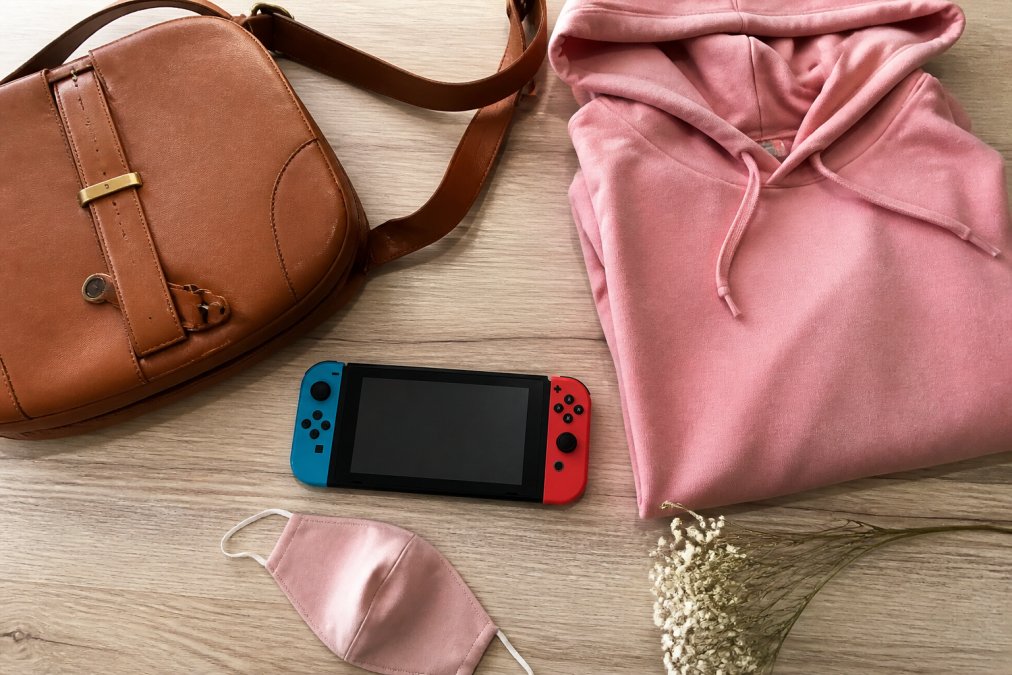
For everyday carry: The Leather Accent Handbag ($69.99) pairs a leather finish with metal accents and enough interior space for daily essentials. It reads dressy without being fussy.
For skincare routines: The Korean CC Cream ($17.99) combines SPF 25 with a lightweight, blendable formula (the FDA). The Bio-Collagen Face Masks ($39.99) handle the hydration side for at-home self-care sessions.

For comfort dressing: The Pink Bow Hoodie ($22.99) and the Zipper Sweatsuit Set ($25.99) cover the cozy end of the wardrobe without looking like loungewear you'd be embarrassed to answer the door in.
For downtime and gifting: The X6 Game Console ($49.95) packs 1,500 built-in games into a handheld shell. The Crayola Globbles ($34.99) are the sensory-play pick for kids, and the Magnetic Selfie Light ($29.99) is the practical one for anyone filming content or taking video calls.
Each of these earns its spot because it solves a specific, recurring need rather than sitting in a drawer.
Conclusion: Finding Your Best Curated Lifestyle Product Discovery Service
The real challenge isn't finding more products. It's finding the handful that actually improve your day without wasting your money or your time.
Velora exists for exactly that problem. The catalog is built around a curated selection of trending and innovative products, focused on items that make everyday life easier and more enjoyable, all at affordable pricing. No endless searching, no guessing whether a viral clip oversold the reality.
Get started with Velora and skip straight to the finds that earn their place in your home.
Frequently Asked Questions
What is a curated product discovery service?
A curated product discovery service is a platform that hand-selects trending and useful lifestyle items so you don't have to search across dozens of sites. Instead of scrolling endlessly, you get a smaller, edited collection of products that fit specific categories like home, beauty, tech, and accessories. The best services explain why each item made the cut, show real pricing, and make it easy to buy. This saves time and reduces the risk of ending up with low-quality impulse buys that looked better in a video than in real life.
Are viral TikTok products actually worth it?
Some are, and some are not. The key is checking whether the product solves a real problem or just looks fun in a 15-second clip. Look for items with clear specifications, realistic pricing, and a return policy. For example, a $22.99 pink bow hoodie or a $29.99 magnetic selfie light with six lighting modes can be genuinely useful if they match what you already need. Skip anything that relies only on hype without details about materials, sizing, or how it works in daily use.
How do I verify the quality of lifestyle products online?
Start by reading the product description for specific features rather than vague claims. Check whether the brand lists materials, dimensions, and care instructions. Look for return policies and whether the seller stands behind the item. If a product page only shows viral videos without any real specs, that's a red flag. For example, a leather accent handbag at $69.99 should mention the material and construction. If it doesn't, you are guessing. Quality brands make it easy to understand exactly what you are buying before you check out.
How do curated shopping services save time?
Curated services save time by doing the searching for you. Instead of opening ten tabs to compare similar items, you see a short list of options that already meet a quality and trend filter. That means fewer decisions, less second-guessing, and faster checkout. A good curated service also groups products by use case, like home office or everyday carry, so you can jump straight to what fits your routine. The result is a faster path from wanting something to actually using it.
What should I look for in a lifestyle brand discovery platform?
Look for four things: clear product details, honest pricing, a visible return policy, and regular inventory updates. A platform that lists exact prices like $17.99 for a Korean CC cream or $39.99 for bio-collagen face masks is easier to trust than one with vague ranges. Check whether the site explains why each product was selected. If it only shows trending labels without context, you are still doing the curation work yourself. The best platforms combine trend awareness with practical information so you can decide quickly and confidently.