
Table of Contents
- Why Sensitive Skin Needs Different Beauty Tools
- Quick Comparison: Best Facial Tools for Sensitive Skin Under $60
- 1. LED Acne Therapy Device: Calming Red & Blue Light at $29.99
- 2. Turmeric Kojic Cloth: Chemical-Free Exfoliation for Reactive Skin
- 3. Silicone Facial Cleansing Brushes: A Gentle Sonic Alternative
- How to Clean Beauty Tools for Sensitive Skin
- Patch Testing Protocols and Skin Condition Contraindications
- Which Budget Tool Should You Pick?
- Frequently Asked Questions
Last Updated: September 7, 2026
Why Sensitive Skin Needs Different Beauty Tools
Reactive skin demands a different standard from your tools, not just your serums. While standard exfoliating brushes and harsh suction devices might work for resilient complexions, they can strip the skin barrier, trigger redness, and leave sensitive types worse off than before. The affordable beauty tools for sensitive skin 2026 market has responded with gentler technology, but you still need to know what to look for and what to avoid.
Most guides assume you already know your skin's sensitivity threshold. In practice, many people discover it after a device leaves them flushed for hours. We track which budget tools actually respect skin barrier integrity, and the pattern is clear: materials and mechanism matter more than price. Hypoallergenic materials like medical-grade silicone, non-invasive light therapy, and chemical-free options consistently outperform abrasive physical tools.
The good news is that you don't need to spend hundreds on professional-grade results. Several effective options sit under $60, and they prioritize calming irritation, reducing inflammation, and supporting skin elasticity without compromising your barrier. Below, we'll break down the best affordable beauty tools for sensitive skin 2026, how to maintain them, and the patch testing protocols that prevent flare-ups before they start.
Quick Comparison: Best Facial Tools for Sensitive Skin Under $60
| Tool | Price | Key Technology | Best For | Skin Barrier Impact |
|---|---|---|---|---|
| LED Acne Therapy Device | $29.99 | Red (630-650nm) & Blue (415-450nm) light | Acne, inflammation, uneven tone | Non-invasive, zero friction |
| Turmeric Kojic Cloth | $19.99 | Infused cotton cloth | Brightening, gentle exfoliation | Low-friction, calming |
| Silicone Facial Brush | ~$15-25 | Sonic vibration | Daily cleansing | Minimal irritation, hygienic |
| High-Frequency Set | $59.99 | Blue light electrotherapy | Advanced acne treatment | Non-invasive, professional-grade |
If you have reactive skin, the core principle is avoiding anything that creates friction, heat, or chemical residue. Tools that rely on sonic vibration, LED light therapy, or infused fabrics tend to be safer than those using suction, rough bristles, or metal contact. According to dermatological guidance on sensitive skin care, maintaining the skin barrier is the first priority for anyone prone to redness or stinging.

1. LED Acne Therapy Device: Calming Red & Blue Light at $29.99
Our top pick for reactive skin is the LED Acne Therapy Device at $29.99, because it delivers clinical-grade light therapy without ever touching your skin. This is the safest mechanism possible for sensitive types: no friction, no chemicals, and no thermal stress.
The device uses dual light technology that targets two different problems. Red light at 630-650nm penetrates deep to stimulate collagen production, reduce inflammation, and improve skin texture. Blue light at 415-450nm targets acne-causing bacteria to reduce breakouts and prevent future blemishes. Both wavelengths are non-invasive and pain-free, with no downtime or side effects typically reported.
What makes this one of the best facial tools for sensitive skin is the hands-free approach to treatment. The compact, ergonomic design is lightweight and handheld, making it easy to use at home or while traveling. It is rechargeable via USB, cordless, and includes an automatic timer function that ensures optimal treatment duration.
For anyone dealing with persistent acne or occasional blemishes, this tool helps restore the skin's natural balance without the harsh chemicals found in many topical treatments. It is a solid entry point into at-home light therapy for under $30.
2. Turmeric Kojic Cloth: Chemical-Free Exfoliation for Reactive Skin
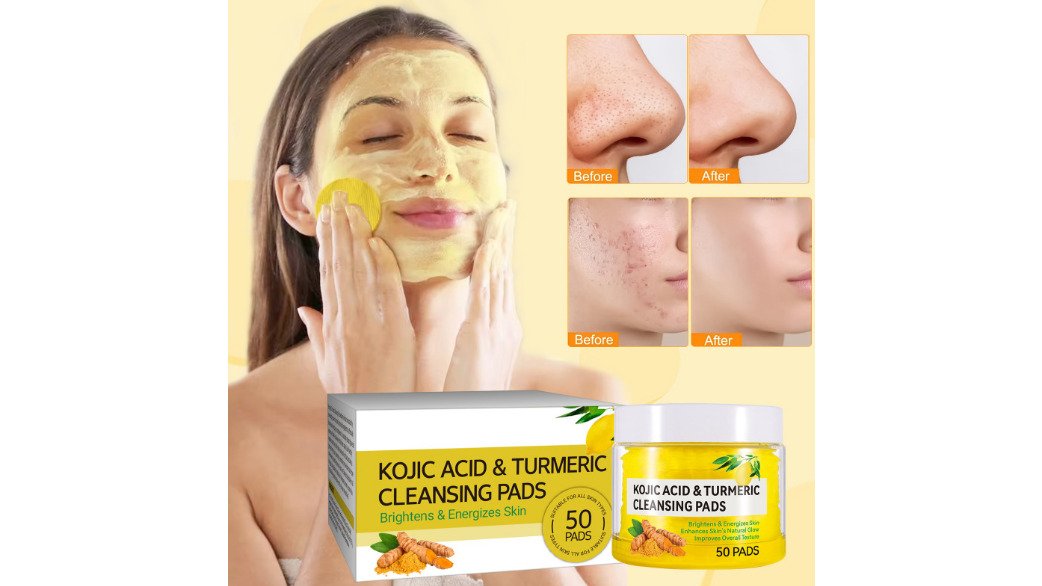
If your skin reacts to chemical exfoliants like AHAs and BHAs, the Turmeric Kojic Cloth at $19.99 offers a genuinely different approach. This is a physical cleansing cloth infused with turmeric and kojic acid, designed to brighten and even out skin tone while calming irritation.

The key difference from a standard washcloth is the infusion. Turmeric provides anti-inflammatory benefits that help calm redness, while kojic acid works to reduce the appearance of dark spots. The soft cotton material is safe for all skin types, and the gentle exfoliation removes dirt, oil, and dead skin cells without the abrasive feel of granule-based scrubs.
A common mistake is treating this like a vigorous scrub. The cloth does the work through its infusion, so you only need light pressure in circular motions. This makes it one of the more practical affordable beauty tools for sensitive skin 2026, particularly for anyone who wants exfoliation without triggering their skin sensitivity threshold.
The cloth is reusable and eco-friendly, which keeps long-term costs low. For context, most dermatologists recommend replacing physical exfoliation tools every few months, but a well-maintained cloth can last longer if cleaned properly.
3. Silicone Facial Cleansing Brushes: A Gentle Sonic Alternative
Silicone facial cleansing brushes have become a staple for sensitive skin because the material is naturally hypoallergenic and non-porous, meaning bacteria have nowhere to hide. Unlike nylon bristle brushes that can harbor microbes and cause micro-tears, silicone brushes use sonic vibration to dislodge dirt and oil without aggressive scrubbing.
For reactive skin, the appeal is thermal regulation and hygiene. Silicone does not retain heat or moisture the way traditional brush heads do, which reduces the risk of bacterial overgrowth between uses. The bristles are also soft enough to use daily without compromising skin barrier integrity.
When choosing a silicone brush, look for one with adjustable intensity levels. A device that only offers one speed is a red flag for sensitive skin, since your needs will vary between calm days and flare-up days.
These brushes typically range from $15 to $30, making them accessible budget options. They are particularly good for removing sunscreen and light makeup at the end of the day, which is often where sensitive skin suffers from over-cleansing with harsh surfactants.
How to Clean Beauty Tools for Sensitive Skin
The hygiene of your devices directly impacts your skin, especially if you have reactive skin. A dirty tool introduces bacteria, dead skin cells, and product buildup back onto your face, which can trigger breakouts and contact dermatitis. Learning how to clean beauty tools for sensitive skin is not optional, it is part of the treatment.
For silicone brushes and the LED device, use a gentle soap and warm water after each use. Avoid alcohol-based wipes, which can degrade the silicone and leave residues that irritate skin. For the LED device specifically, wipe the treatment surface with a soft, dry cloth to remove any oils, and only use a damp cloth if needed, ensuring it is completely dry before the next charge.
For the Turmeric Kojic Cloth, rinse thoroughly after each use and hang to dry. Because the cloth is infused with active ingredients, washing it with harsh detergents can strip those benefits. A simple rinse with warm water is often enough, with a mild soap wash once a week to prevent bacterial buildup.
Budget-specific maintenance costs are minimal if you stay consistent. A bottle of gentle cleanser for your tools, around $8 to $12, will last several months.
Patch Testing Protocols and Skin Condition Contraindications
Before using any new tool, especially an affordable beauty tool for sensitive skin 2026, you must patch test. This is not just for topical products, it applies to devices and cloths too. The protocol is straightforward:
- Clean a small area of skin on your inner forearm.
- Use the device or cloth on that area for the recommended duration.
- Wait 24 hours and observe for redness, itching, or swelling.
- If no reaction occurs, proceed to use it on your face.
This 24-hour window is critical. Some reactions, particularly to light therapy or infused fabrics, can take up to a day to appear. Rushing this step is the most common cause of device-related flare-ups.
There are also specific contraindications for certain skin conditions. LED light therapy, while generally safe, should not be used if you are photosensitive or taking medications that increase light sensitivity. The FDA guidance on light-based products advises caution with such devices, particularly for those with a history of skin cancer in the treatment area.
For the Turmeric Kojic Cloth, anyone with a known allergy to turmeric or related botanicals should avoid it. Kojic acid, while effective for hyperpigmentation, can be irritating in high concentrations for some individuals. The cloth format delivers a lower dose than a serum, but patch testing is still mandatory.
If you have an active skin infection, open wounds, or undiagnosed lesions, see a dermatologist before using any device. The American Academy of Dermatology's guidance on at-home devices emphasizes that professional diagnosis should precede any self-treatment.
Which Budget Tool Should You Pick?
If you are dealing with active acne and redness, start with the LED Acne Therapy Device. It addresses the root causes of breakouts and inflammation without any physical contact, making it the safest option for highly reactive skin.
If your primary concern is dullness, dark spots, or uneven texture, the Turmeric Kojic Cloth is your best bet. It provides gentle exfoliation and brightening without the sting of chemical acids, and the anti-inflammatory properties of turmeric help keep redness in check.
For daily cleansing, a silicone facial brush is the most practical investment. It replaces your hands and washcloths with a more hygienic, effective method that respects your skin barrier.
| Your Concern | Recommended Tool | Price | Why It Works |
|---|---|---|---|
| Acne & inflammation | LED Acne Therapy Device | $29.99 | Non-invasive light kills bacteria, calms redness |
| Dullness & dark spots | Turmeric Kojic Cloth | $19.99 | Chemical-free brightening with anti-inflammatory benefits |
| Daily cleansing | Silicone Facial Brush | $15-25 | Hypoallergenic, non-porous, gentle sonic vibration |
| Advanced acne | High-Frequency Set | $59.99 | Professional-grade blue light for stubborn breakouts |
The common thread across these tools is that they avoid friction, harsh chemicals, and thermal stress, focusing instead on supporting the skin barrier and reducing inflammation.

For those ready to commit to clearer, calmer skin, the LED device and turmeric cloth make an effective pairing. The LED handles inflammation and bacteria, while the cloth manages exfoliation and tone. Together, they cover most reactive skin concerns for under $50.
Finding the right affordable beauty tools for sensitive skin 2026 comes down to understanding your triggers and choosing devices that respect your skin barrier. Velora is your go-to destination for thoughtfully curated, trending products that simplify and enhance your everyday life. We specialize in discovering innovative and stylish essentials across home, beauty, technology, and lifestyle categories, saving you the effort of endless searching. Our mission is to bring you clever, fun, and useful finds that are as affordable as they are effortless. Explore our LED Acne Therapy Device and Turmeric Kojic Cloth to start your journey toward calmer skin. Shop all now and find the tools that work for you.
Frequently Asked Questions
Are affordable facial tools safe for sensitive skin?
Yes, when you choose the right technology and materials. Avoid tools with rough bristles or harsh vibration. Look for hypoallergenic silicone-grade heads, adjustable intensity settings, and non-invasive treatments like LED light therapy. The LED Acne Therapy Device uses specific wavelengths that calm inflammation without abrasive contact. Always start on the lowest setting and limit sessions to a few minutes to protect your skin barrier.
What materials should I look for in beauty tools for sensitive skin?
Prioritize medical-grade silicone, soft cotton, and smooth plastic. Silicone facial cleansing brushes are ideal because the material is non-porous, which prevents bacteria buildup that can trigger breakouts. Avoid tools with latex or rough synthetic bristles. For cleansing cloths, natural cotton like the Turmeric Kojic Cloth is gentle and reusable. Check that any device casing is BPA-free and easy to wipe down.
How often should I sanitize beauty tools to prevent skin irritation?
Sanitize devices after every use if you have reactive skin. For electronic tools, wipe the surface with a 70% isopropyl alcohol pad. For cloths and brush heads, wash them with a fragrance-free cleanser after each session and let them air dry completely. Silicone brush heads can be boiled briefly once a week. This hygiene standard prevents cross-contamination that leads to redness and breakouts.
Can LED light therapy help with redness and inflammation?
Yes. Red light in the 630-650nm range penetrates skin to support collagen production and reduce inflammation. Blue light in the 415-450nm range targets bacteria that cause acne. The LED Acne Therapy Device combines both wavelengths in a non-invasive, pain-free treatment. Consistent use calms reactive skin and improves texture without the friction of physical scrubs, making it a smart choice for sensitive types.
What is the best way to patch test a new facial tool?
Clean a small area on your inner forearm, then use the tool there for 30 seconds at its lowest setting. Wait 24 hours and check for redness, itching, or bumps. If your skin stays calm, test on a small patch of your jawline for two days. This protocol is vital for sensitive skin. Stop use immediately if you see any reaction, and consult a dermatologist if irritation persists.